 FYRHost
Best Anonymous No-KYC Dedicated Servers 2026
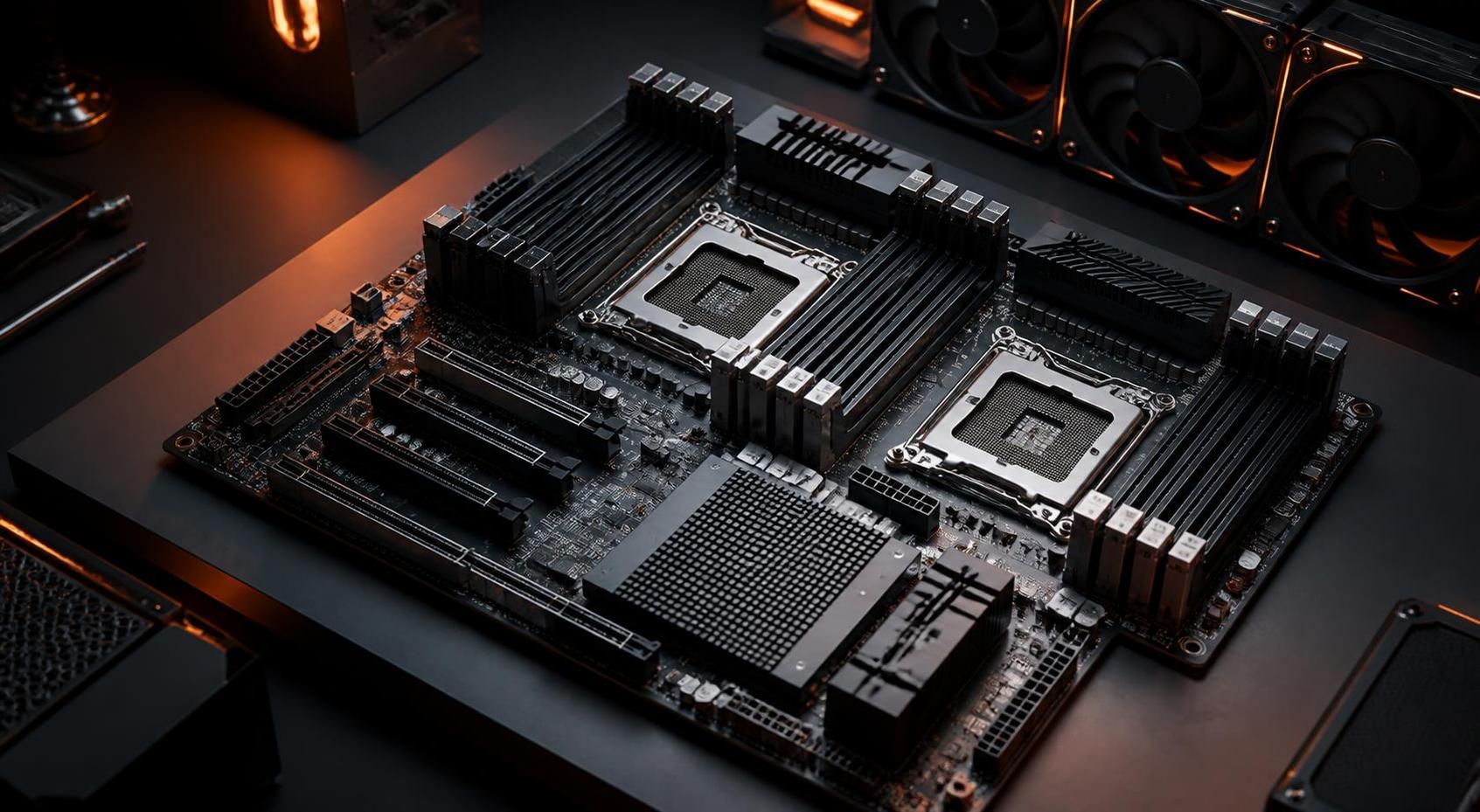
Nine no-KYC dedicated vendors compared on named specs: FYRHost metal from $30.80/mo annual-eff with IPMI, XMR checkout, 2–4 h provisioning, 40 locations.
Nine no-KYC dedicated vendors compared on named specs: FYRHost metal from $30.80/mo annual-eff with IPMI, XMR checkout, 2–4 h provisioning, 40 locations.
Xeon E-2388G → 2× AMD EPYC 9474FECC DDR4/DDR5NVMe RAID 0/1/5/10IPMI on all1–25 Gbps unmetered19 coins + XMR
Plan ledger
| Plan | CPU | RAM | NVMe | RAID | Port | IPMI | Price |
|---|---|---|---|---|---|---|---|
| Shield | 8c / 16t | 32 GB DDR4 ECC | 2 x 500 GB NVMe RAID 0/1 | 0/1 | 1 Gbps | IPMI + DDoS | $38.50 list · $30.80/mo annual |
| Vault | 16c / 32t | 64 GB DDR4 ECC-R | 2 x 1 TB NVMe RAID 0/1 | 0/1 | 1 Gbps | IPMI + DDoS | $68.50 list · $54.80/mo annual |
| Bastion | 32c / 64t | 128 GB DDR4 ECC-R | 2 x 2 TB NVMe RAID 0/1 | 0/1 | 10 Gbps | IPMI + DDoS | $108.50 list · $86.80/mo annual |
| Fortress | 32c / 64t | 256 GB DDR5 ECC-R | 4 x 2 TB NVMe RAID 0/1/5/10 | 0/1/5/10 | 10 Gbps | IPMI + DDoS | $173.50 list · $138.80/mo annual |
| Citadel | 96c / 192t dual | 512 GB DDR5 ECC-R | 4 x 2 TB NVMe Gen4 RAID 0/1/5/10 | 0/1/5/10 | 25 Gbps | L3/L7 scrubber | $298.50 list · $238.80/mo annual |
Full ledger: all dedicated SKUs.
40 locations · 19 coins · SLA 99.95% · no KYC · public canary
VPS from $3* (fund $50+), storage 1–5 TB NVMe from $24/mo annual-eff, dedicated with IPMI from $30.80/mo. Crypto invoice, no KYC.
Launch nowThe ranking at a glance
Two columns sort the no-KYC metal market faster than any adjective: the entry sticker and what the sticker actually includes. Scores below weigh metal depth 25%, IPMI and DDoS inclusion 20%, payment privacy 20%, locations 20%, and entry price 15% — rival facts were verified 2026-09-21/23 on their own pages, cheap floors included rather than hidden. Nine vendors ship bare metal without identity checks; one of them fails the trust check outright.
| # | Provider | Score /10 | Dedicated from | Locations | Watch-out |
|---|---|---|---|---|---|
| 1 | FYRHost | 9.2 | $30.80 annual-eff ($38.50 list) | 40 | — |
| 2 | ServPrivacy | 7.8 | $66 (Ryzen 5 7600, 32 GB), XMR first-class | 6 | Smaller map and catalog |
| 3 | VSYS Host | 7.5 | $68 ($54 yearly), email-only signup | 4 named | Anti-DDoS is a paid add-on from $100/mo |
| 4 | SuperBitHost | 7.3 | €70, crypto-only, 26–31 countries claimed | Claims vary | Footprint claims vary; entry spec thin |
| 5 | AlexHost | 7.1 | Moldova metal, XMR, cheap | 1-core entry | Mixed DMCA record |
| 6 | Evoluso | 6.9 | €99+ anonymous metal, pseudonym signup | NL/SE/CH | Monero never explicitly named |
| 7 | FlokiNET | 6.8 | Iceland/RO metal + colo, cash-by-mail | 4 | Manual, quote-based, slower |
| 8 | Incognito | 6.6 | $46 floor — not the 8c/32 GB NVMe spec below | 16 | Floor is a different config; named spec costs more |
| 9 | Impreza Host | 6.5 | $290–660 (Iceland), XMR, no-email signup | 6 | 3.6–8× this catalog entry |
| — | BitVPS | 5.9 | Dedicated from $39.50 | 4 on paper | Do not trust — Scamadviser rating; scam reports |
FYRHost finishes at 9.2/10 because the catalog spans five published tiers with IPMI and filtering on every invoice, Monero beside eighteen other coins, and forty deployable cities across four continents. Credit where due: Incognito prints the group's lowest floor at $46, and ServPrivacy's $66 Ryzen build is genuine modern silicon. Neither floor names a comparable 8-core, 32 GB ECC, NVMe, IPMI machine — the invoice for a named spec is what the next table prints.
The BitVPS row carries no promotion for a reason: Scamadviser's rating sits in the danger band and scam reports have accumulated for months, so its dedicated listings — from $39.50 on paper — are printed as a warning rather than an option. Every other rival is priced exactly as its own site priced it during the September pass, annual terms included where they are published.
Read the table as a menu of trade-offs rather than a podium: ServPrivacy trades map size for fresh silicon, VSYS trades a DDoS invoice for sticker depth, Impreza trades price for Iceland. The honest question is which trade you can afford monthly, because metal rarely moves once provisioned — provisioning itself runs 2–4 hours from confirmed payment, and the IPMI console opens with the machine.
The metal, both price terms
Five tiers run from a single-socket Xeon to dual EPYC 9474F silicon, and every row ships IPMI, DDoS filtering, and a crypto-only invoice without KYC at any price. Storage is NVMe across the board in twin-drive pairs up to four-drive arrays, with software RAID 0/1/5/10 configurable at install time. The annual column is the 12-month term divided by twelve — a flat 20% off list, printed rather than negotiated.
| Server | List | Annual-eff | CPU | RAM | Disk | Port |
|---|---|---|---|---|---|---|
| Shield | $38.50 | $30.80 | Xeon E-2388G 8c/16t | 32 GB DDR4 ECC | 2×500 GB NVMe | 1 Gbps · IPMI + DDoS |
| Vault | $68.50 | $54.80 | EPYC 7313 16c/32t | 64 GB DDR4 ECC-R | 2×1 TB NVMe | 1 Gbps · IPMI + DDoS |
| Bastion | $108.50 | $86.80 | EPYC 7543 32c/64t | 128 GB DDR4 ECC-R | 2×2 TB NVMe | 10 Gbps · IPMI + DDoS |
| Fortress | $173.50 | $138.80 | Xeon Gold 6430 32c/64t | 256 GB DDR5 ECC-R | 4×2 TB NVMe | 10 Gbps · IPMI + DDoS |
| Citadel | $298.50 | $238.80 | 2×EPYC 9474F 96c/192t | 512 GB DDR5 ECC-R | 4×2 TB NVMe Gen4 | 25 Gbps · L3/L7 scrubber |
Shield at $38.50 list — $30.80 annual-eff — is the entry point and the row to beat: E-2388G with 8 cores and 16 threads, 32 GB of DDR4 ECC, twin 500 GB NVMe, and an unmetered gigabit. Citadel at the top pairs 96 cores across two EPYC 9474F sockets with 512 GB of DDR5 ECC and a 25 Gbps uplink behind L3/L7 scrubbing — $238.80 annually, which undercuts what idle cloud equivalents bill before egress.
The mid-range is where most buyers land. Vault's EPYC 7313 (16c, 64 GB, 2×1 TB) at $54.80 effective suits virtualization with room to grow; Bastion's EPYC 7543 (32c, 128 GB, 2×2 TB, 10 Gbps) at $86.80 handles busy databases and CI; Fortress's Gold 6430 with 256 GB of DDR5 and four drives at $138.80 is the memory-first tier. Every figure above is catalog price, not a promo that expires with the quarter.
Why IPMI decides no-KYC metal
IPMI is a small computer living on the motherboard: power, keyboard-video, console redirection, and reinstall keep working whatever the installed OS is doing. The OpenBSD ipmi(4) driver documents the interface class well if you want the internals. On offshore iron the practical translation is simple — a 3 a.m. kernel panic becomes a VPN login and your own fix instead of a ticket answered from a distant timezone.
Rivals in this set handle out-of-band access unevenly: some gate KVM-over-IP behind a per-request fee, others drop it entirely at entry level and offer it from tier two upward. When identity is absent from the relationship, response time is the only support desk that exists — and out-of-band access is response time. Every tier here includes it, from the $30.80 Shield upward, with no hourly rate attached.
It also changes what a reinstall means. With IPMI you mount an ISO and reimage at 2 a.m. without asking anyone — Debian, a BSD, a hypervisor, whatever the workload wants that week — and the machine never passes through a technician's hands or their logs. On a box whose entire purpose is minimal disclosure, keeping reinstall self-service is not a luxury; it is part of the privacy architecture.
The failure mode it prevents is rare but expensive: a locked-out machine that needs a datacenter hand, on hardware tied to an account with no identity attached to it. Out-of-band access turns that worst case into a half-hour console session. Cheap metal without IPMI is not cheap — it is deferred cost, with a technician's calendar as the interest rate you pay.
FYRHost metal — pros and cons
The house row gets the same blunt treatment as every rival below, because metal buyers keep hardware longer and deserve the cons at the same font size as the pros. Disclosure, as everywhere on this site: FYRHost sells the product this table ranks first, no placement is bought, and every point below is checkable against the public catalog pages. The same five weights that rank the rivals rank the house.
Pros. Five published tiers span $38.50–298.50 list ($30.80–238.80 annual-eff) with ECC memory on every row — DDR4 at the bottom, DDR5 from Fortress upward. IPMI and L3/L4 filtering ride every invoice, provisioning runs 2–4 hours from confirmed payment, nineteen coins clear checkout, forty locations carry one list price, and the premium flags are printed at +15–35% rather than discovered later. Software RAID spans 0/1 on the smaller tiers and 0/1/5/10 from Fortress up.
Cons. No tier carries a GPU, so ML and transcoding boxes need different housing. There is no colocation — your own hardware stays your own, somewhere else. No managed service desk exists; root means the paging rotation is you. Checkout is crypto-only, NVMe-only storage caps archive ambitions, and the five premium-location surcharges can add a fifth to the invoice if Reykjavik or Zurich is the point.
Weighing both columns: the catalog is deep on general-purpose ECC compute and deliberately silent on GPUs, managed care, and HDD archives. Where those silences match your requirements, the $30.80 entry invoice is the strongest in the set; where they do not, the sections below name the rivals that fill each gap without pretending the gap does not exist. Both lists stay short because the catalog is small enough to describe honestly.
ServPrivacy, VSYS and SuperBitHost — pros and cons
Three vendors cluster near the top of the mid-table, each with one clear strength and one structural limit. Their numbers below come from their own pages during the September 2026 pass; nothing is quoted from forums, and annual terms are printed where the vendor publishes them. Scores reflect the weights from the methodology section, unchanged since the last refresh.
ServPrivacy — 7.8/10. Pros: $66 buys a Ryzen 5 7600 with 32 GB — newer desktop silicon than Shield's Xeon at half the sticker — and Monero is treated as first-class rather than tolerated. Cons: the map and catalog are both smaller, six locations against forty; upgrade headroom above the entry build is thin; and IPMI inclusion on the entry unit is not printed as clearly as this table requires.
VSYS Host — 7.5/10. Pros: $68 list with a published $54 yearly term, an email-only signup that asks for nothing more, and a privacy stance this table respects. Cons: anti-DDoS is a paid add-on starting at $100/mo — a second invoice that widens the gap it appears to close — and four named locations limit the geography play. The lesson: read the add-on column before you celebrate the sticker.
SuperBitHost — 7.3/10. Pros: €70 entry, crypto-only checkout, and a claimed footprint of 26–31 countries that, if real, would lead this table outright. Cons: the claims vary between pages and resist verification, the entry spec is thin for the price, and documentation rarely answers the questions metal buyers actually have. A footprint you cannot audit is marketing, not geography.
AlexHost, Evoluso and FlokiNET — pros and cons
Three vendors sell jurisdiction more than silicon, which is a legitimate product — most of this table exists because buyers want their hardware inside a specific legal map. The scoring treats their policies as features and their spec sheets as liabilities, in the same weights as every other row. All three were re-checked 2026-09-21/23; nothing below rides on memory.
AlexHost — 7.1/10. Pros: Moldova metal at genuinely low prices, XMR accepted without ceremony, and a content policy more permissive than the Western default. Cons: the entry metal is 1-core, the DMCA record is mixed enough to matter for anything reply-sensitive, and published specifications trail the ECC baseline this ranking treats as the floor for named quotes.
Evoluso — 6.9/10. Pros: anonymous metal from €99 with a pseudonym signup flow, and a footprint across the Netherlands, Sweden, and Switzerland that covers three distinct legal cultures. Cons: Monero is never explicitly named on the price page — confirm before you order if XMR is the plan — and the entry price sits above the group median for the silicon on offer.
FlokiNET — 6.8/10. Pros: Iceland and Romania metal plus genuine colocation, cash-by-mail accepted, and a privacy record that survives hostile scrutiny — a rare thing at any price. Cons: ordering is manual and quote-based, which stretches provisioning past the 2–4 hours this table treats as normal; the map is four locations; and the top of the range prices like bespoke work, because it is.
Incognito, Impreza and BitVPS — pros and cons
The bottom three rows carry the table's biggest warnings, and two of them are honest products priced past the median. The third sits in the do-not-trust column. As everywhere on this page, the cons are the vendor's own published behavior rather than editorial mood — check any line against the September verification dates and the vendor's live pages.
Incognito — 6.6/10. Pros: the $46 floor is the group's lowest genuine metal price, across sixteen locations, with a no-KYC flow that works as described. Cons: that floor is not the named 8-core, 32 GB ECC, NVMe, IPMI configuration — comparable named specs cost more, sometimes well more, and the ladder from floor to spec is steeper than the headline suggests. Price the machine you actually need, not the row you wish existed.
Impreza Host — 6.5/10. Pros: Iceland jurisdiction taken seriously, XMR accepted, and a no-email signup path that few operators match anywhere. Cons: $290–660 entry pricing runs 3.6–8× the Shield invoice for comparable roles, the map is six locations, and the premium buys jurisdiction rather than silicon. For Iceland specifically, FlokiNET's quote-based metal is the cheaper first phone call you can make.
BitVPS — 5.9, do not trust. Pros: dedicated listings from $39.50 look like the market's floor on paper. Cons: Scamadviser's rating and a steady stream of scam reports sit behind the listings, four locations exist only on paper, and an invoice you cannot dispute from a vendor you cannot verify is not a discount — it is a donation with extra steps.
Entry-price reality check
Three rivals beat or match the $30.80 annual-eff sticker, so the check is what each sticker buys. ServPrivacy: $66 with six locations and a thinner catalog. VSYS: $54 yearly, privacy-respecting, until the $100/mo DDoS add-on arrives — a second invoice that quietly widens the gap it seems to close. Incognito: the $46 floor is real, but no comparable 8c/32 GB ECC NVMe IPMI configuration exists at it. SuperBitHost's €70 entry rounds out the sub-$75 field with claims that resist verification.
Impreza starts at $290 for Iceland racks — genuine privacy, at 3.6× the entry invoice before the first add-on. Against that field, Shield is the only entry tier in this comparison that puts IPMI, DDoS filtering, twin NVMe drives, ECC memory, and forty deployable cities on a single invoice, which is what the 9.2 score actually prices. Annual-eff is the honest comparator because every serious rival publishes a yearly term — the monthly sticker is marketing; the twelve-month number is the product.
The pattern generalizes: in no-KYC metal, the sticker is the cheapest number you will see and rarely the whole one. Ask every vendor the same three questions — is IPMI included, is filtering included, what does the named spec cost — and the field sorts itself without a single review site. This page ran exactly that pass in September 2026; the table above is the transcript of it.
A worked example makes the method concrete: take the entry invoice, then add the published DDoS fee where filtering is an add-on — VSYS's line item costs more per month than Shield and Vault combined — and finally check whether the printed spec names ECC memory and IPMI. Whatever survives all three checks at the lowest annual figure wins the entry-price criterion; in the September 2026 pass, that was Shield at $30.80.
When NOT to pick FYRHost metal
Three cases end with a rival's invoice, and printing them costs less than pretending they do not exist. GPUs: none of the five tiers carries one, so ML training, inference boxes, and heavy transcoding need different housing entirely. Sub-$60 metal where non-ECC silicon and add-on invoices are acceptable: VSYS's $54 yearly wins that trade on paper and often in practice too.
Colocation of your own hardware: FlokiNET sells it, this catalog does not — shipping a chassis you own to a rack that answers no identity questions remains a niche only a few operators serve honestly. And a managed, support-desk-run service is a different product from root metal here or at any rival in the table; the desk-run model and the root model solve different problems for different buyers.
A fourth silence is storage-shaped: every chassis is NVMe-only, so terabyte-deep cold archives belong on the Storage Depot ladder rather than on a boot array. Buyers who want one machine to be database, archive, and appliance will find the metal honest about compute and deliberately unambitious about disk — pair the two products instead of forcing one to fake the other. The combination still bills one crypto invoice across one account, which is the part you actually feel.
One more negative before the FAQ: if the plan is resale — slicing metal into VPS for other people — nothing here stops you, but nothing here manages it either. A panel on Shield is a weekend of your own work, and the honest alternative is a vendor whose product already includes the orchestration layer.
Payment, provisioning and the paper trail
Checkout is the same flow as VPS: a token alone or an inbox plus a 12-character password, then a live-rate invoice across nineteen coins — Monero and Bitcoin at the front, USDT on seven networks, GRAM (TON) for Telegram-adjacent rails. No passport, phone, or card exists anywhere in the flow, at any tier from Shield to Citadel, and the entity behind every invoice is WESTFALL AND CO. in St. Kitts and Nevis.
Settlement times set the clock. BTC credits at 2 confirmations — 10–60 minutes in practice; XMR at 10 blocks; TRC-20 USDT at 19 blocks, often inside 1–3 minutes; XRP at 3 ledgers with no destination tag required; DOGE, DASH, and ADA at 3 blocks each; BNB at 15. The rack job starts from confirmed credit, and provisioning runs 2–4 hours with the IPMI console usable from the first minute.
The paper trail is deliberately short. No payload or guest traffic is logged; connection metadata ages out within 24 hours; billing and panel actions are retained as long as the account exists, and a public warrant canary discloses requests. Abuse runs under each facility's jurisdiction, and the AUP draws hard lines at CSAM, phishing, spam, and network attacks — short enough to read, enforced enough to matter.
Two practical notes close the section. Metal inherits the platform SLA of 99.95%, so downtime past the threshold is invoiceable rather than theatrical. And when the machine's first job is privacy infrastructure — a WireGuard endpoint, an onion service, a Borg repository — do the hardening before the first production byte lands; the Monero metal guide and the offshore metal guide both start from that premise.
Methodology: weights and verification
Five weights produce the score column: metal depth 25%, IPMI and DDoS inclusion 20%, payment privacy 20%, locations 20%, entry price 15%. They bias toward what no-KYC buyers cannot cheaply replace later — out-of-band access, coin-native checkout, jurisdictional spread — and away from headline specs that a re-quote can change overnight. Every rival fact came from the vendor's own pages on 2026-09-21/23.
Named specs beat floors in this scoring, deliberately: a $46 quote for an unnamed configuration carries no weight until the configuration is printed, because metal buyers invoice against specific silicon, memory, and disks. Scores are editorial; no placement is bought; no affiliate links exist. FYRHost sells the first row and discloses that fact in the same breath — the same standard every page here applies to itself.
The order changes when the facts do: an IPMI paywall, a KYC step at renewal, a footprint shrinkage, or a spec that turns out to be aspirational would drop any row, including the house one. This page refreshes rather than defends. Deeper questions about checkout mechanics live in the crypto VPS FAQ, and the VPS-versus-dedicated breakdown covers the moment a workload outgrows virtualization.
One note on scope: the table scores vendors, not reputations. A vendor can leave this ranking by improving — adding printed IPMI, publishing a real coin list — and re-enter on the next pass, which has happened before now. The scoring is a snapshot with dates attached, not a verdict carved in stone; the dates are printed so you can check whether the snapshot has aged.
Is dedicated really no-KYC here?
Yes. Metal orders follow the same token-or-email flow as VPS — an inbox plus a 12-character password, or a token alone — followed by a crypto invoice. No identity step exists at any price, from Shield at $30.80 annual-eff to Citadel at $238.80, and the provisioning ticket never asks for documents of any kind.
Can I pay dedicated with Monero?
Yes. XMR sits on the shared invoice page beside eighteen other coins and credits at 10 confirmations, after which the rack job starts. Live rates are quoted at invoice time, so the XMR amount follows the market rather than a stale sticker — the same flow the VPS side of the account has always used.
How fast is dedicated provisioning?
Two to four hours from confirmed payment, with the IPMI console usable from the first minute — power, console, and reinstall are yours while the OS installs. For comparison, VPS machines boot roughly 60 seconds after credit. Metal takes longer because it is racked and cabled, not virtualized on existing hosts.
Is the $46 Incognito floor cheaper than this?
The floor is real but is not a named 8-core, 32 GB ECC, NVMe, IPMI configuration — the spec Shield sells at $30.80 annual-eff. On comparable named specs, the entry invoice here undercut every rival checked in the September 2026 pass. Floors without published configurations are marketing, not quotes you can order against.
Which locations carry a premium?
Five flags do: Iceland and Norway at +20%, Switzerland at +35%, and Luxembourg, Cyprus, and Panama at +15%. The other thirty-five locations bill the base list price — geography is effectively free on this map, and the surcharges are printed before checkout rather than added to the invoice after it.
What does the AUP actually forbid?
Four hard lines: CSAM, phishing, spam, and network attacks. Everything else is handled under the jurisdiction of the facility the machine sits in, and there are no payload or guest traffic logs — connection metadata ages out within 24 hours. The short list is the feature: you can read the whole policy over one coffee.
Primary sources
Ready to launch?
Build the box — VPS, storage or bare metal — create the password, pay the invoice that follows.
Sources: VPSbit — Best Anonymous No-KYC Dedicated Servers 2026